MVP in E-commerce – How to Smartly Grow Your Market Position
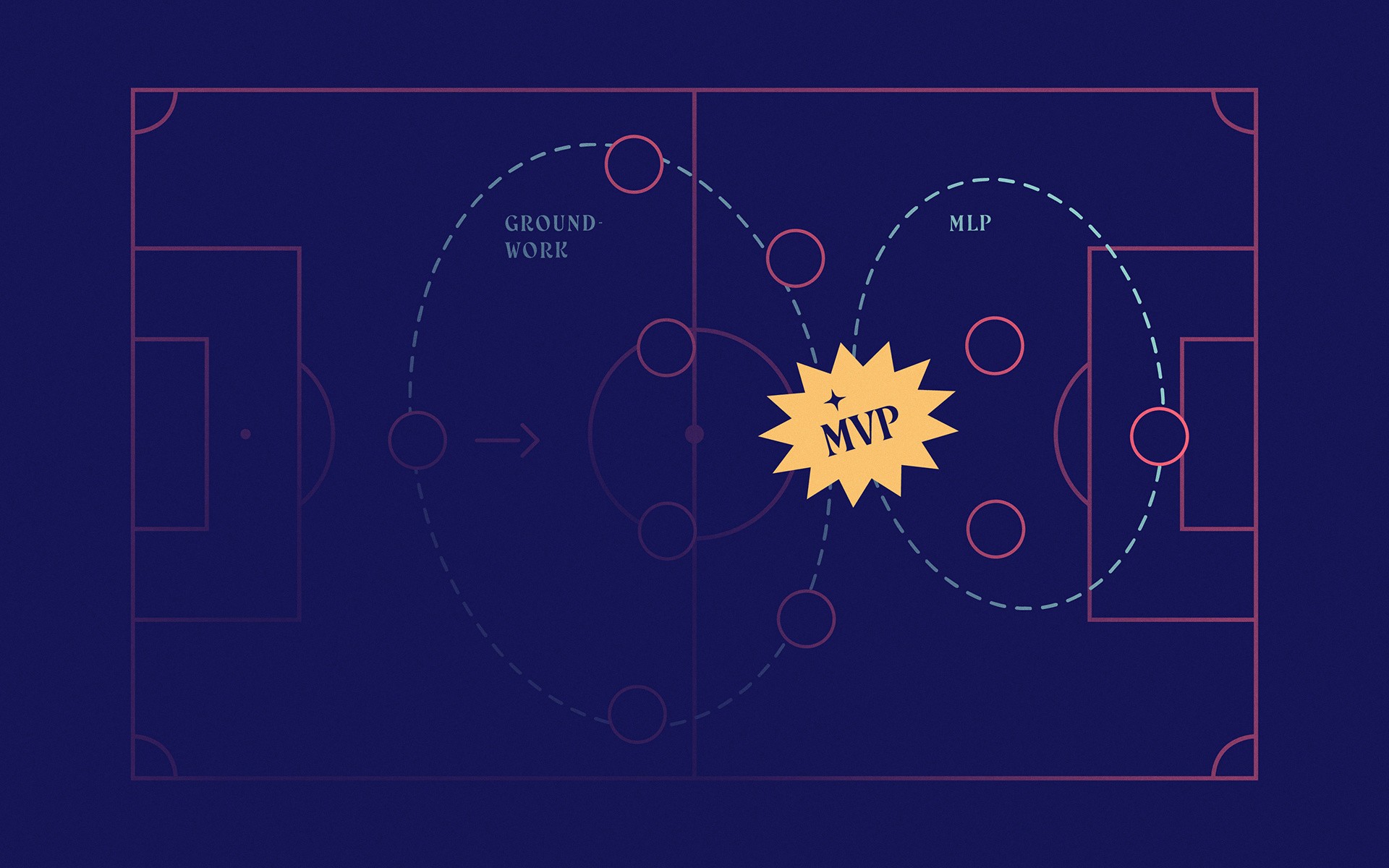
The MVP model, familiar from the Lean Startup field, can be the most valuable player in e-commerce. With Shopify, an agile start and continuous development are smoother than ever.
The idea of MVP (Minimum Viable Product), known as a cornerstone of agile development, is simple in e-commerce: start with an online service that competently offers your customers exactly what they need – no less, but not too much either. This way, you avoid hefty initial investments and – most importantly – ensure that the online service is developed according to customer needs, one appropriate input at a time.
Why is MVP worthwhile in e-commerce?
Product development and market testing: With MVP, you can validate the market swiftly and gather data from real users.
Rapid market entry: With MVP, you can start selling your products quickly without lengthy development projects.
Data-driven development: By utilising customer feedback and behaviour, you can improve the shop effectively and purposefully.
Cost-effectiveness: Focus only on critical features, thus avoiding unnecessary expenses in the initial stages.
MVP vs. a complete online store – what decides?
Developing an online store is full of opportunities, but it also comes with challenges. Launching a fully-featured online store can take unnecessary time, and in reality, customers value a smooth experience and ease of use more than numerous additional features, which many do not even initially use.
At its best, MVP helps focus on what truly matters: customer experience and business growth. It is also worth remembering that in e-commerce, customer expectations and competition grow year by year.
Alongside the MVP concept, the abbreviation MLP (Minimum Lovable Product) has emerged, emphasising the importance of appeal right from the start. You cannot compromise on key functionalities of the online store, such as usability, mobile accessibility, and payment methods, even at the beginning. The right tools, like Shopify, become invaluable here.
MVP is more than just a technical implementation – remember at least these
With Shopify (or similar platforms), you can quickly put ideas into practice, scale according to demand, and maintain continuous development, but MVP is primarily a strategic key to customer understanding.
When MVP is designed with a customer-focused approach and developed iteratively, it results not only in an efficient start but also in a foundation that creates a competitive advantage in the long term. This way, your online store wins and remains attractive as customer needs and markets evolve.
Starting MVP with thorough market research is advisable. Proper groundwork ensures the ball rolls in the right direction.
Do you want to test direct sales or try the demand for a special batch? At its smallest, a Shopify MVP can be, for example, a trade fair or pop-up prototype covering a few products.
Iterative development does not mean half-hearted efforts – a successful MVP is selected and high quality. Customer service, such as chat support, is also important to integrate from the early stages.
Think about what makes the MVP especially appealing and memorable to your customers (see MLP) – is it a beautiful user interface, fast delivery options, or an easy-to-use search and navigation?
Remember scalability and the possibility of integrations in MVP online store design and platform selection.
Are you ready to take your commerce to the next level? Now is the time to act!

Anni Laine
People & Culture Manager