Pocket Guide to the European Automotive Industry 2025/2026
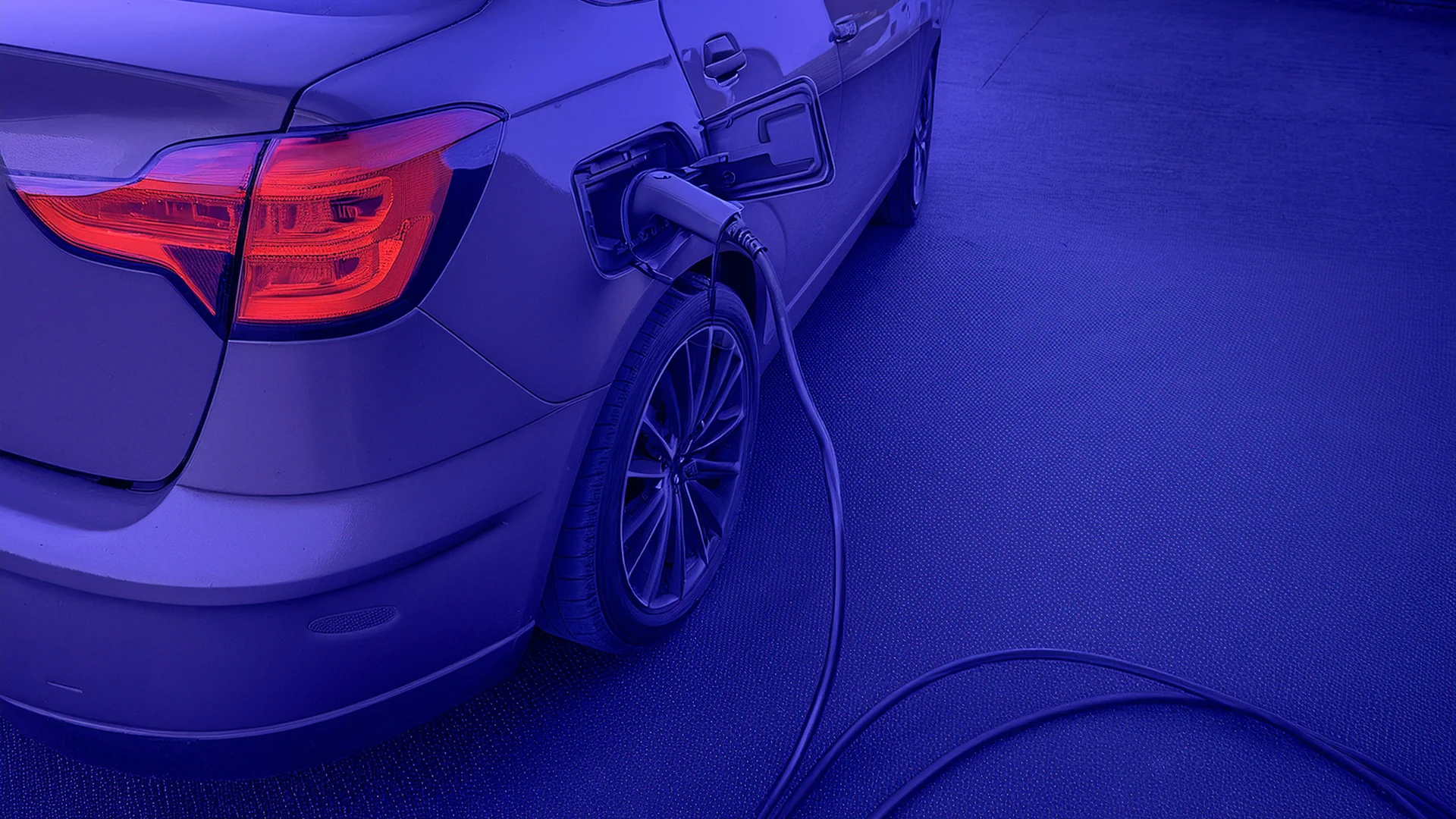
At the end of August, ACEA (European Automobile Manufacturers’ Association) published its annual "Pocket Guide", which contains statistics and information regarding the state of the automotive industry and car trade in Europe. The publication covers areas such as employment, production, registrations, trade, transport, infrastructure, environment, and taxation.
The guide also provides a comprehensive view of how regional differences in legislation, taxation, and infrastructure development influence the progression of the car trade in various countries, including Finland. The report is available for download in full on the ACEA website.
As its name suggests, ACEA is the advocacy group for European automobile manufacturers, comprising the 16 largest car manufacturers in Europe. The association represents the interests of these players towards legislators and stakeholders and produces factual data to support decision-making.
Electrification of transport advances unevenly
In the EU region, there are nearly 300 electric chargeable car models available, yet their share of the vehicle fleet remains small. Overall, the popularity of electric and hybrid cars in new car sales is on the rise, albeit the share of fully electric cars decreased this past year in the EU for the first time. The sale of new cars closely correlates with economic trends, which may partly explain the downturn.
On average, there are only five fully electric cars per charging point in the EU, with 60% of all public charging points across the EU located within three countries: France, Germany, and the Netherlands. While several EU countries offer incentives to acquire electric cars, fewer than half provide incentives for building charging infrastructure. Finland ranks ninth in terms of availability of charging stations, with about three charging stations per thousand inhabitants. However, when this is adjusted for Finland's sparse population and long distances, the figure is less flattering.
For us, it's all stick and no carrot!
Finland is among the few countries, along with France, Lithuania, and Slovenia, that offers no tax reliefs for owning an electric car, whereas we're firmly in the lead regarding the taxation of traditional fuels, thus making the use of electric cars often cheaper. We also lack the incentives for purchasing new electric cars seen in many other EU countries, as well as the tax supports for acquiring charging stations used in about half the countries.
With these conditions, the renewal and electrification of the car fleet don't exactly speed up. The average age of passenger cars in the EU is 12.5 years—while in Finland, this figure is 13.2 years. There is strong pressure to replace older vehicles, and there is potential in the market for both new and used car sales. There is particularly a demand for affordable and environmentally friendly vehicles.
According to ACEA, the European automobile industry is facing a "perfect storm" due to intense competition, increasing trade tensions, and rising business costs. The report stresses the need to ensure the competitiveness of European industry and free trade. Although the report does not directly name China as a threat, its statistics clearly show that Chinese manufacturers are gaining influence in the European market, especially in the import of electric vehicles. China has become the leading source country for EU vehicle imports. China's share of EU imports has surpassed previously significant trade partners such as the United Kingdom and Japan.
ACEA’s pocket guide does not paint a rosy picture but provides interesting and well-visualised data on the industry's development from the perspectives of manufacturers and market evolution.

Teemu Korpilahti
Director of Development